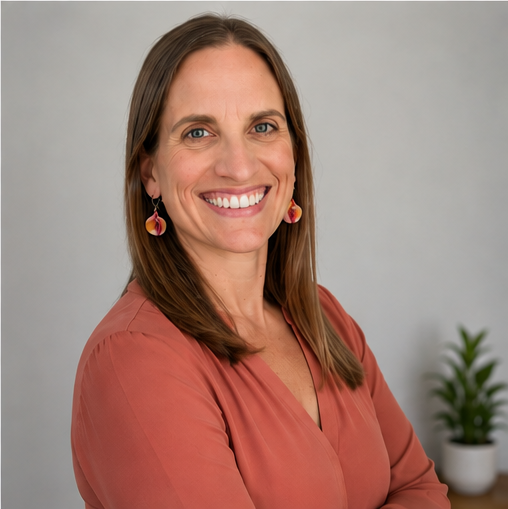


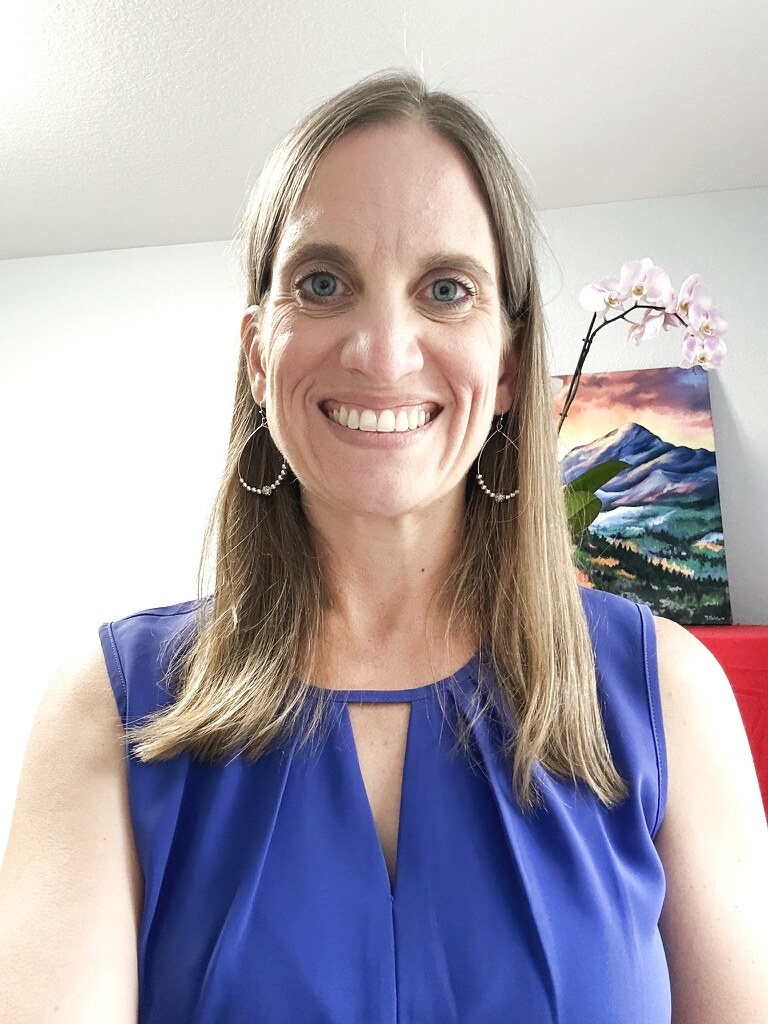
A Physician Who Chose This
"I built the practice I wished existed for my patients — and honestly, for myself."
In my late 30s, I noticed something. My primary care patients were entering perimenopause at the same time I was. They were coming in with symptoms I hadn't been adequately trained to address — and I was experiencing some of them myself.
What I'd learned in medical school about menopause was essentially: it happens, hormones are risky, and women should get through it as best they can. Hot flashes and vaginal dryness were the extent of the curriculum. Nobody taught us about the brain fog, the sleep disruption, the mood changes, the metabolic shifts, the joint pain, the loss of identity that so many women describe. And nobody taught us how to actually help.
So I taught myself.
I completed The Menopause Society's foundational course, then immersed myself in the evidence and passed the MSCP certification exam. Then I found Dr. Heather Hirsch's course on the practical clinical management of perimenopause and menopause — and my passion fully ignited. Dr. Hirsch's approach to actually treating patients, not just understanding the pathophysiology, changed how I practiced.
Around the same time, the physician who ran the clinic where I worked, Dr. Carolynn Francavilla — a leader in obesity medicine — encouraged me to pursue that certification as well. I quickly recognized that the way she approached patients was already how I thought about medicine: whole-person, evidence-based, honest about the science. I studied for and passed the D-ABOM exam.
What I found, once I started directly addressing perimenopause and menopause with my patients, was something I didn't expect. Women weren't just relieved to get treatment. They were relieved to be believed. They had often been dismissed, minimized, or simply told to wait it out. The gratitude I felt in those appointments — and still feel every day — is why I left primary care to do this full time.
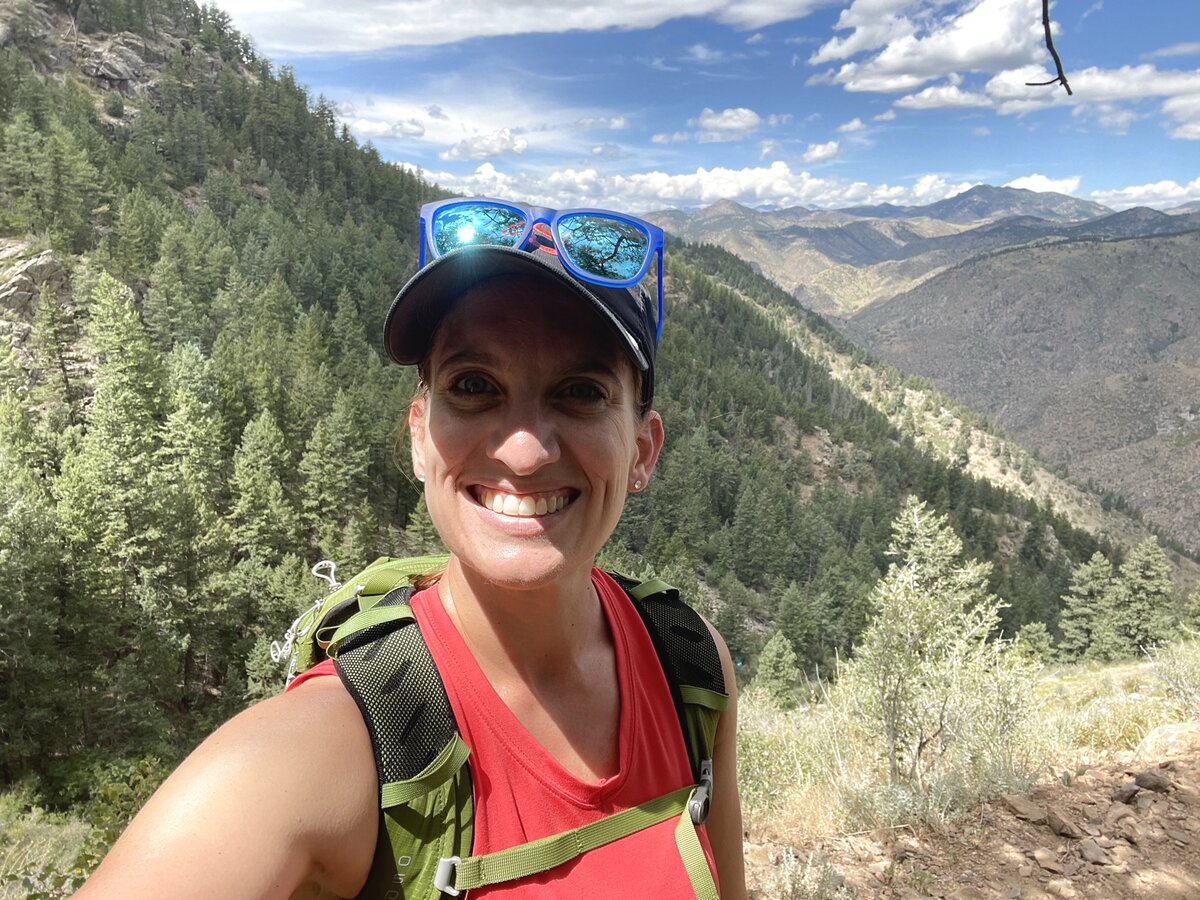
Texas is where I'm from, Colorado is where I landed — and both feel like home. When I'm not seeing patients, I'm out on Colorado trails with my family. Movement, time in nature, and staying strong through midlife are things I practice personally and recommend clinically.
Metis was the goddess of wisdom, counsel, and deep knowledge in Greek mythology — known not for power, but for insight: the ability to see clearly, advise wisely, and guide others through complexity. The name was chosen deliberately. Navigating perimenopause and menopause requires exactly that kind of guidance — not a rushed protocol, but a physician who understands the full picture, stays current with the science, and helps you make sense of what's happening in your own body.
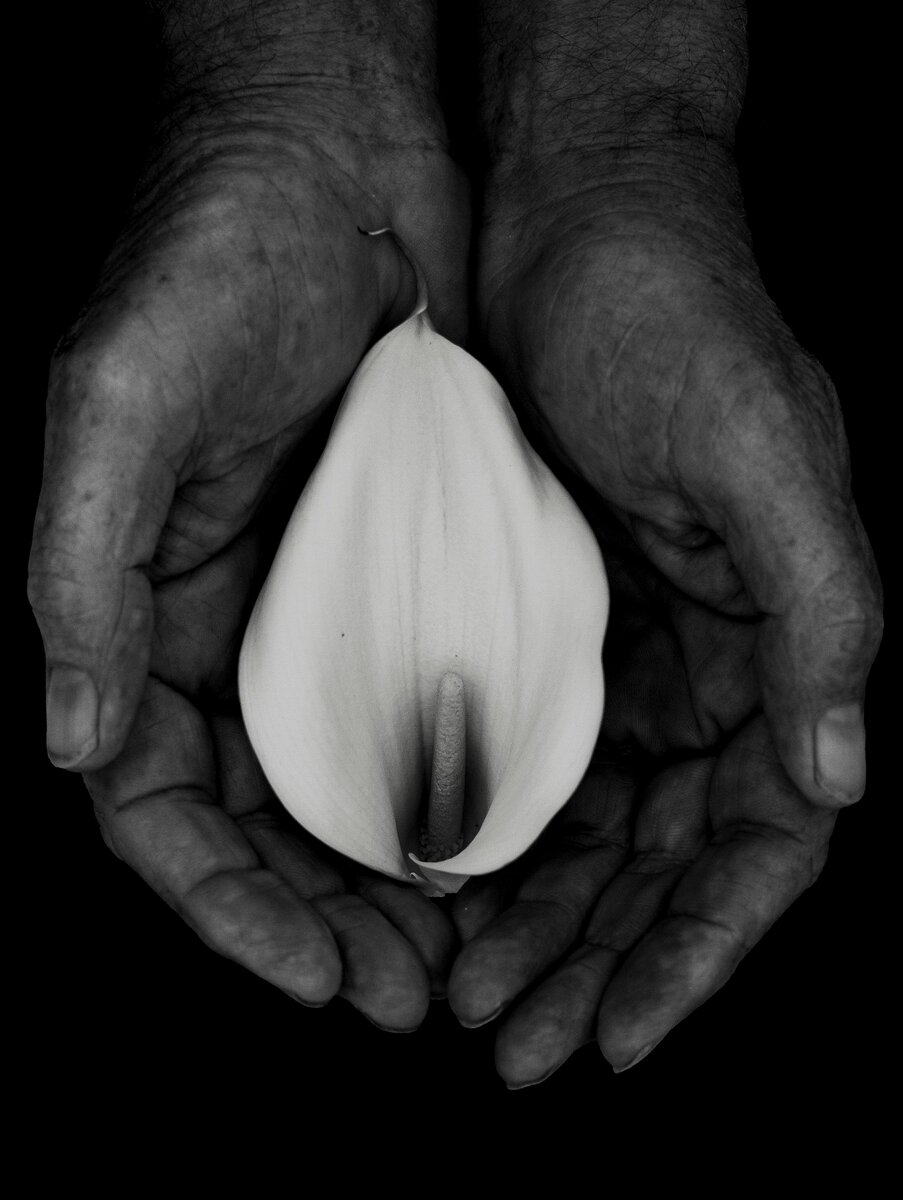
The calla lily — reflected in the Metis logo mark
One of a small number of physicians in the country holding this dedicated certification in menopause medicine.
A decade of clinical experience focused on the hormonal and health needs of women, from perimenopause through postmenopause.
Expert care delivered wherever you are — no commute, no waiting rooms. Colorado, with Texas coming soon.
"Menopause wasn't really taught in medical school. Not meaningfully. The guidance was essentially: it exists, don't treat it aggressively, because hormones are scary. That fear largely traces back to a single misinterpreted study from 2002 — one that the medical community has spent two decades walking back. Our most common hormonal treatments — estradiol patches, oral or IUD progesterone, and testosterone cream — are safe, effective, and for many women, genuinely life-changing. The risk profile depends on timing, type, route, and individual history — not on a blanket fear of hormones. I get to tell women this every day. I get to validate what they've been through, help them figure out what's bothering them most, and find real relief. That is the work I was meant to do."